 IB writing & TOK
Ms Zhang
International History, London School of Economics
- IB Chinese and English writing and speaking
- Experience teaching Theory of Knowledge (TOK)
- Runner-up in the London Cup international debating competition
Online one-to-one lessons for international school students in Hong Kong and worldwide. Choose a subject, level and current learning goal.
One-to-one support across the subjects listed below. Lessons can follow school teaching, prepare for examinations or work on internal assessment.
MYP support includes subject lessons, homework and the Personal Project. MYP 4–5 students can also plan ahead for DP subject choices and HL/SL combinations.
IB writing & TOKInternational History, London School of Economics
 IB Business Management & Economics
Bachelor’s in Marketing and International Business, University of Pennsylvania
 IB Chinese & English literature
Bachelor’s in Chinese Language and Literature, University of Hong Kong
 Arts & humanities
PhD in Art History, France
 IB Physics, Chemistry, Maths & Computer Science
PhD, Ohio State University
 IB English A / B · HL / SL
Undergraduate study at Fudan University; exchange at Johns Hopkins University
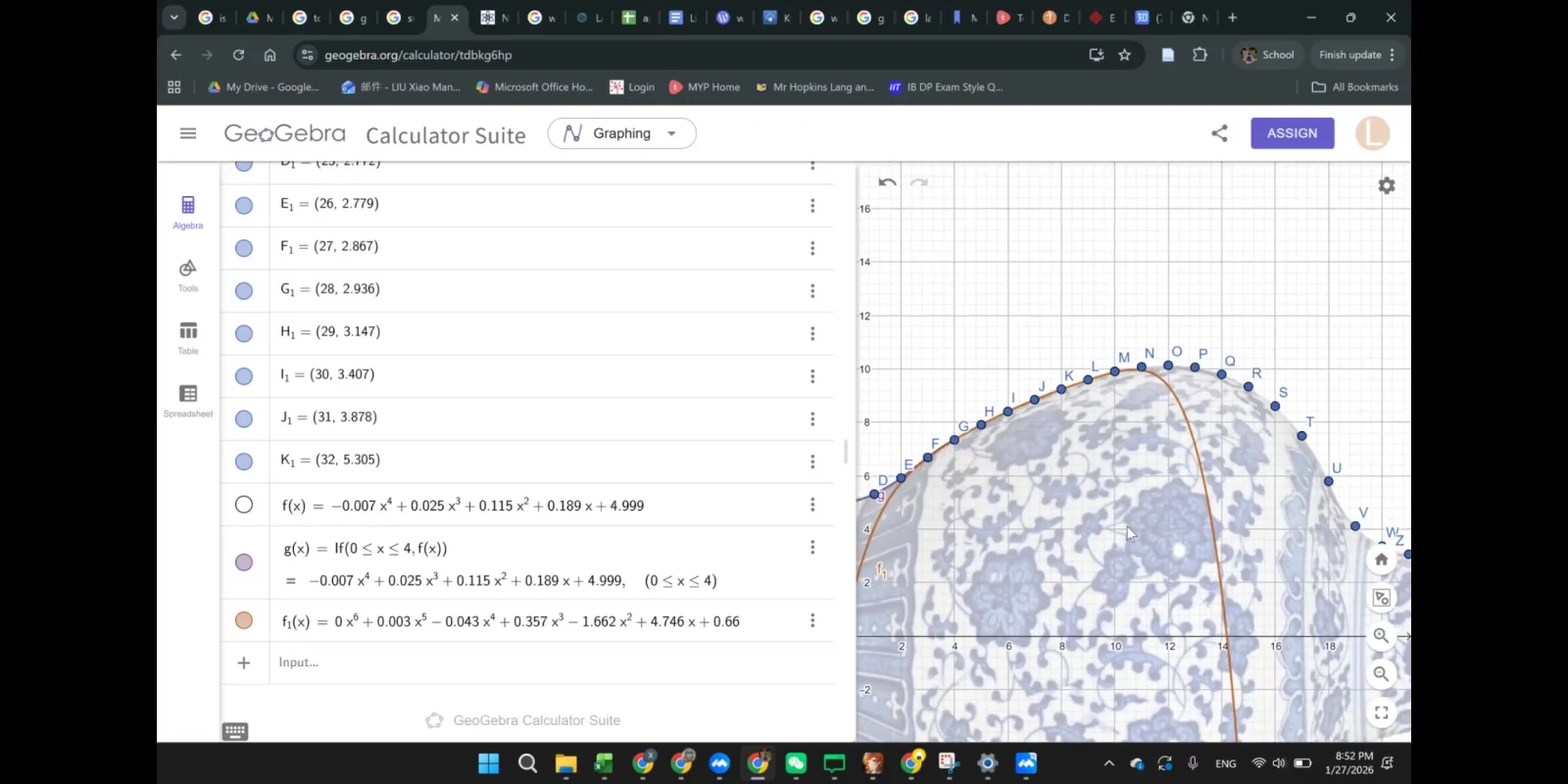
Connect data points to a function graph and explore piecewise fitting and model parameters.
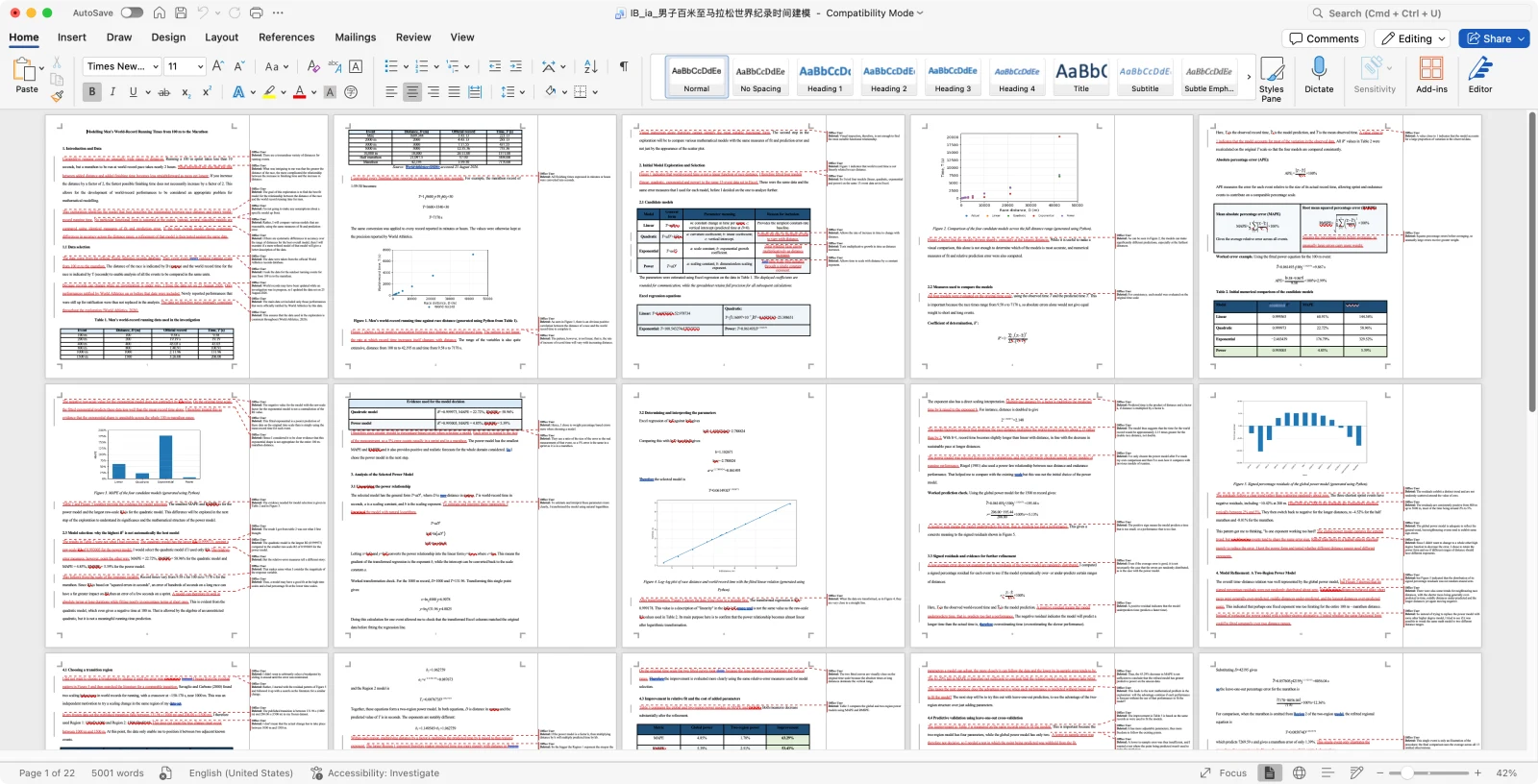
An annotated mathematical modelling paper using men’s sprint and marathon world-record times.
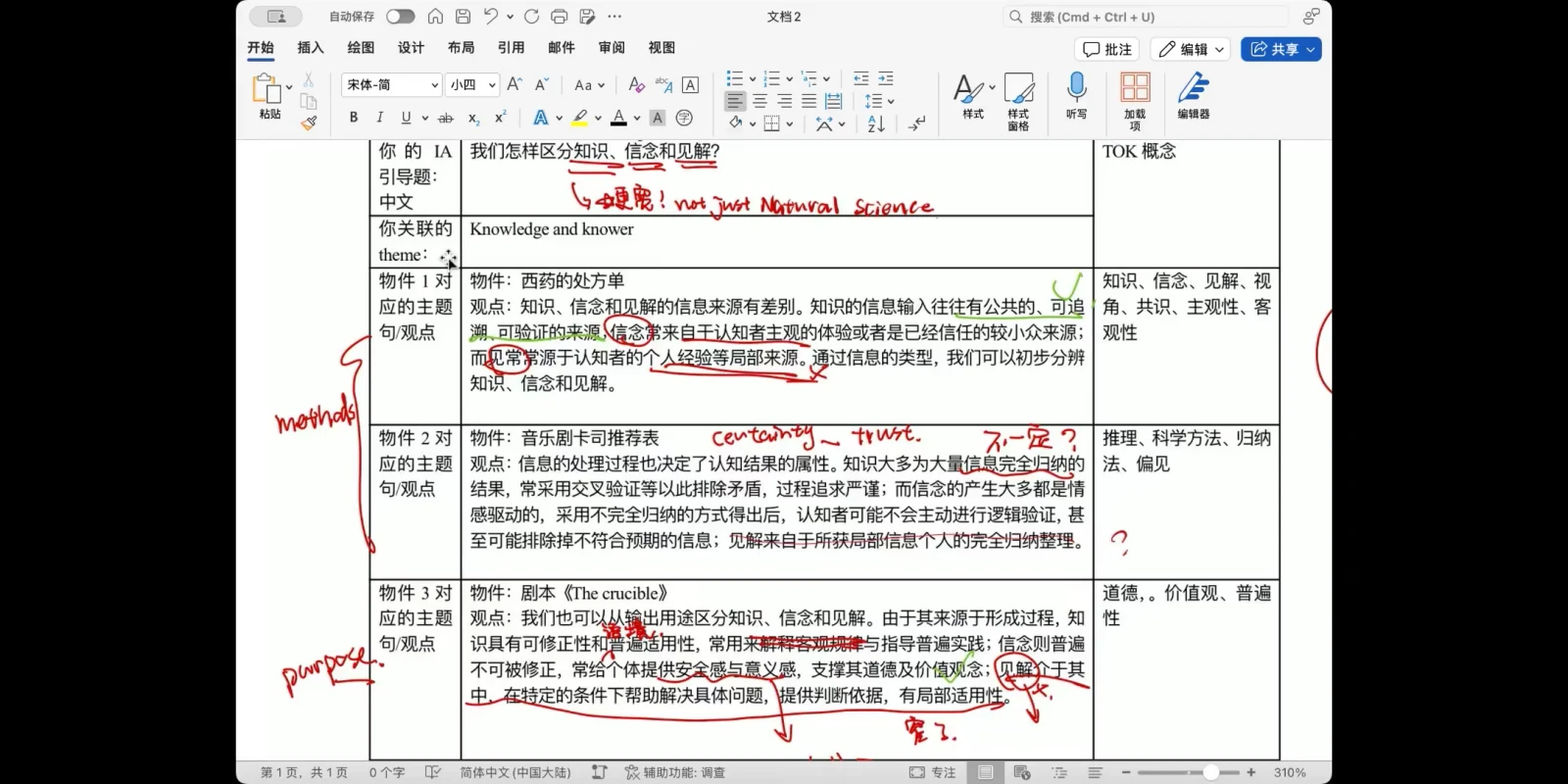
Use the rubric and lesson annotations to develop clear explanations of knowledge, belief and understanding.
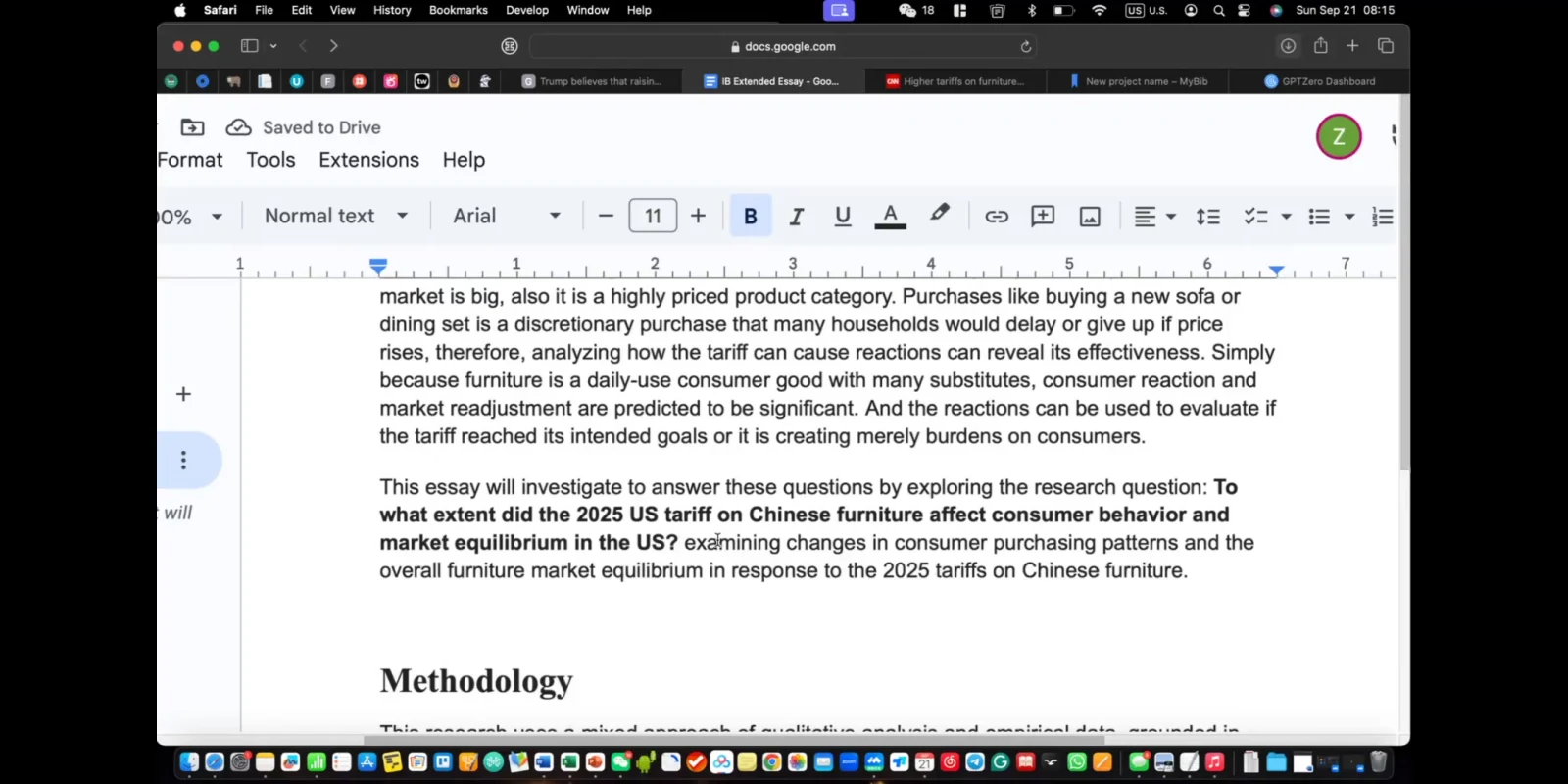
Comments on an EE research question and methodology, with discussion of how the analysis supports the argument.
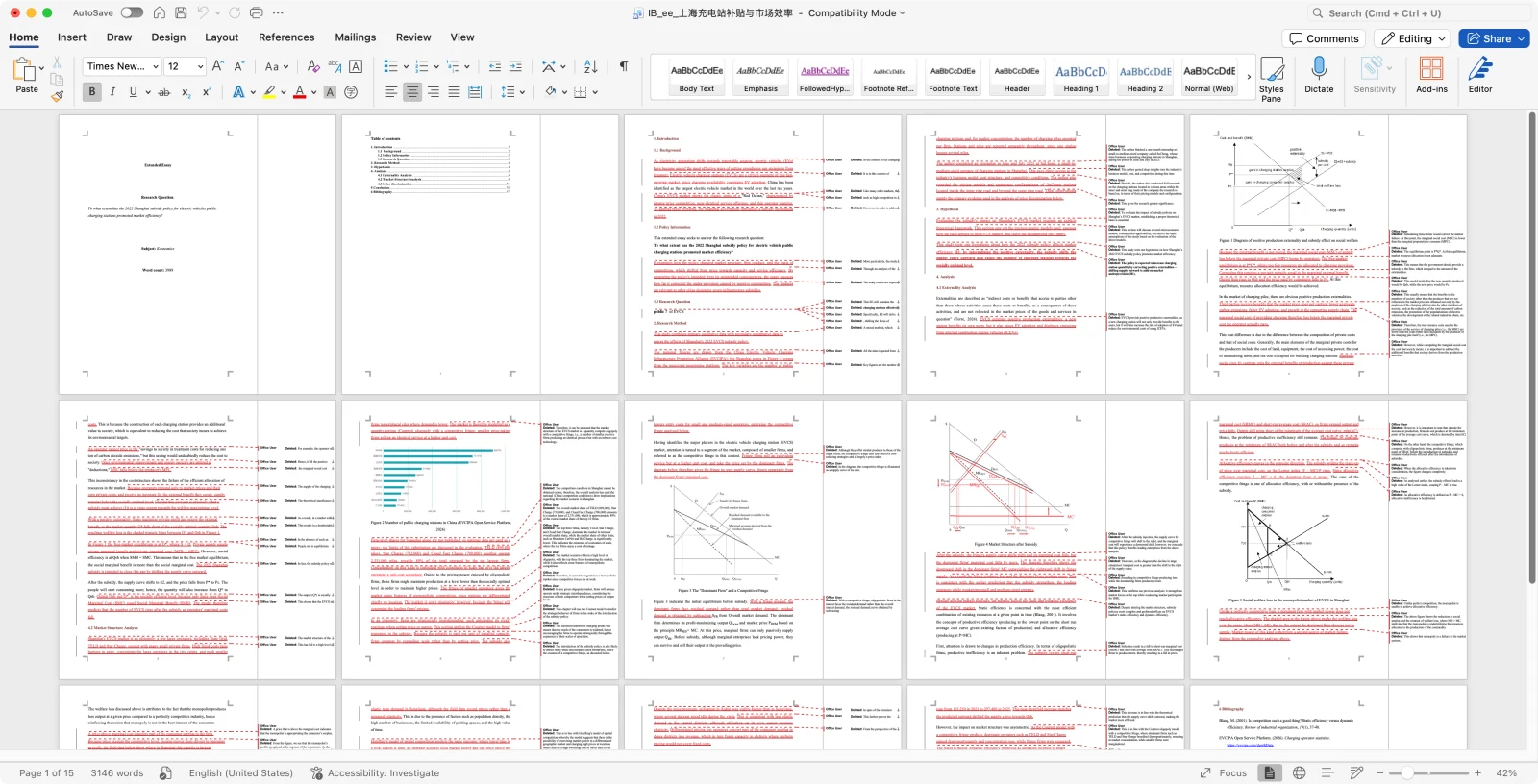
An Economics EE draft on charging-station subsidies and market efficiency, with comments and revisions.
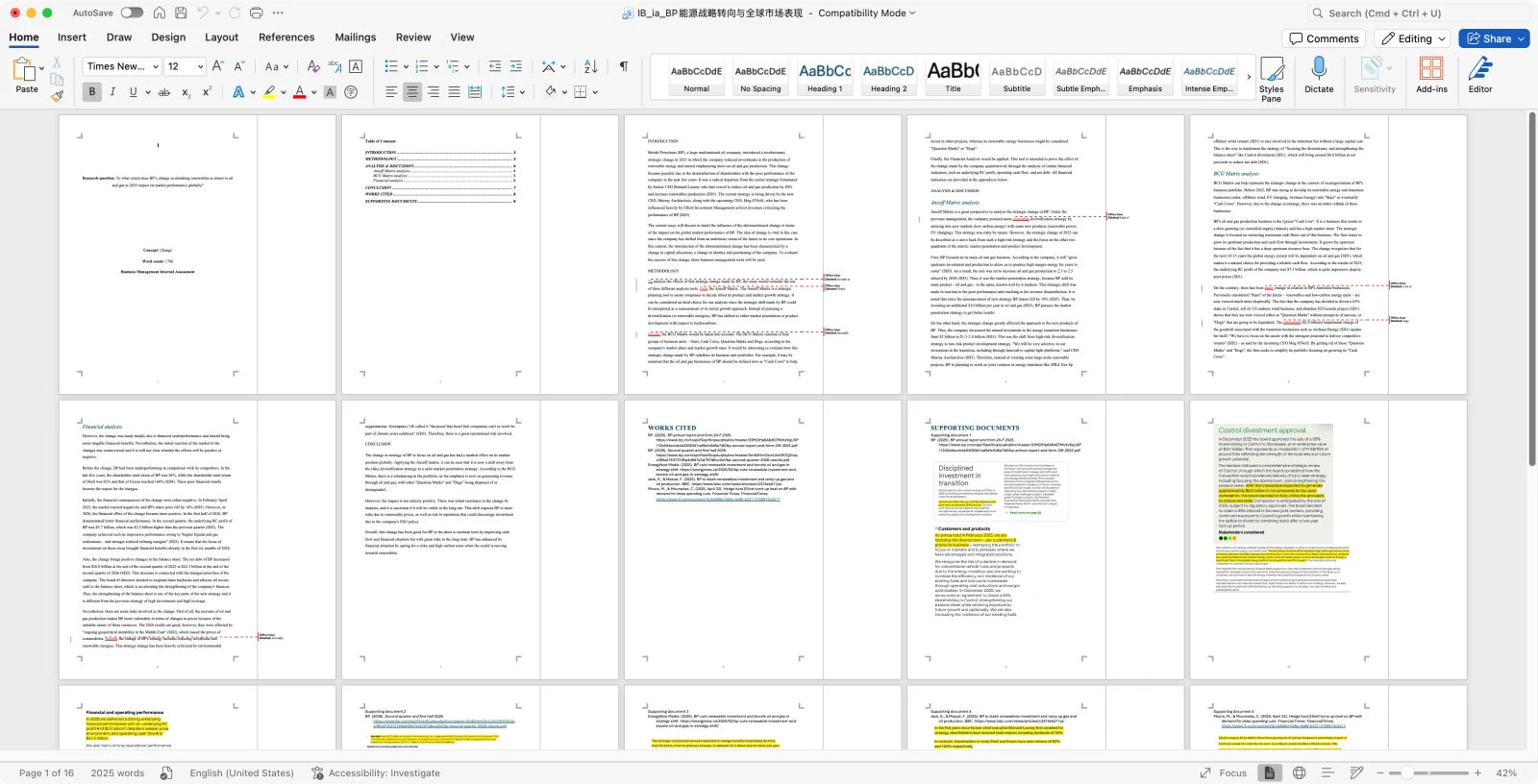
A business analysis paper on BP’s shift in energy strategy and its performance in global markets.
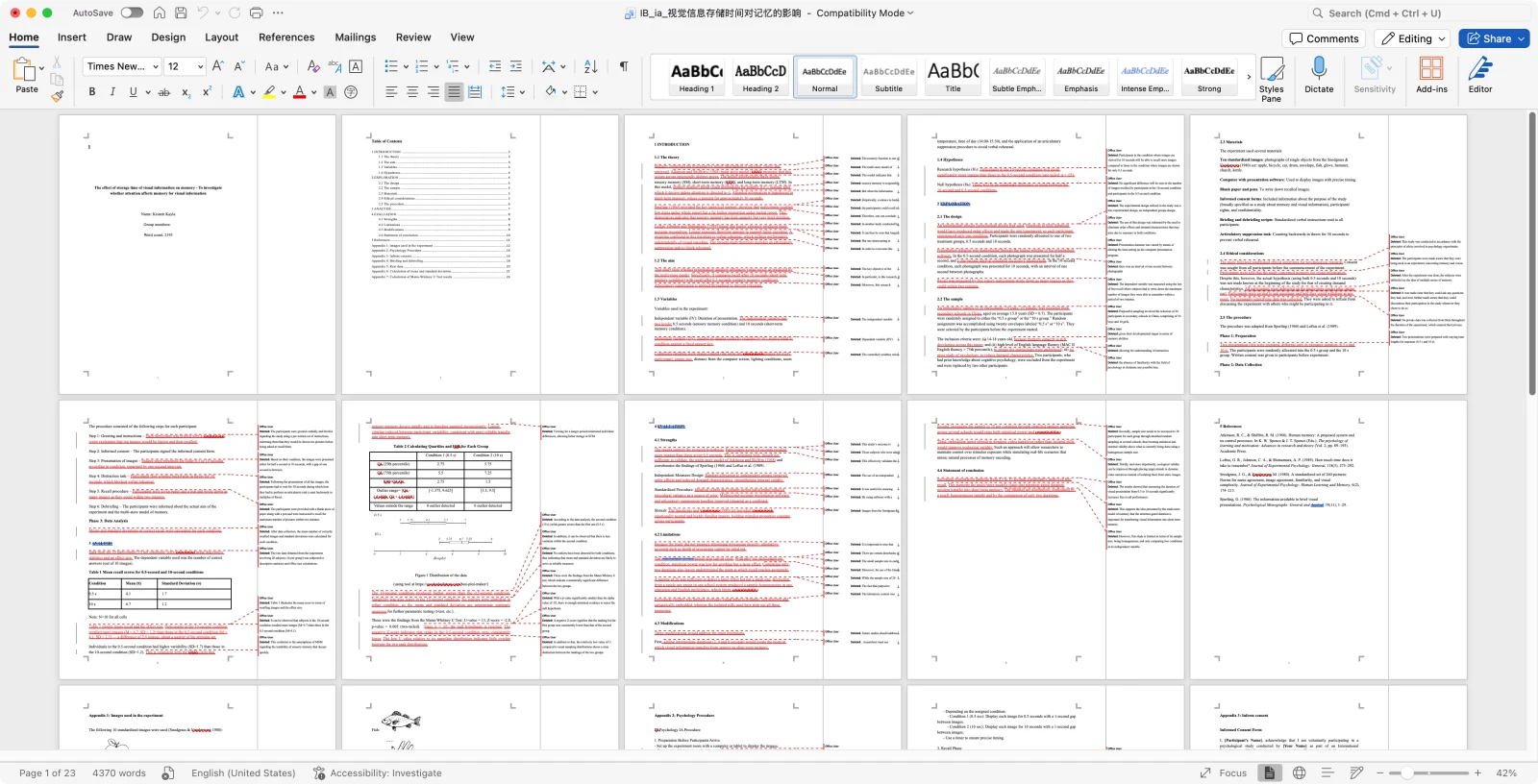
Pre-2027 syllabus IA (an experiment), for exams up to November 2026. From May 2027 the IA is a research proposal.
An annotated Psychology IA on how the retention time of visual information affects memory.
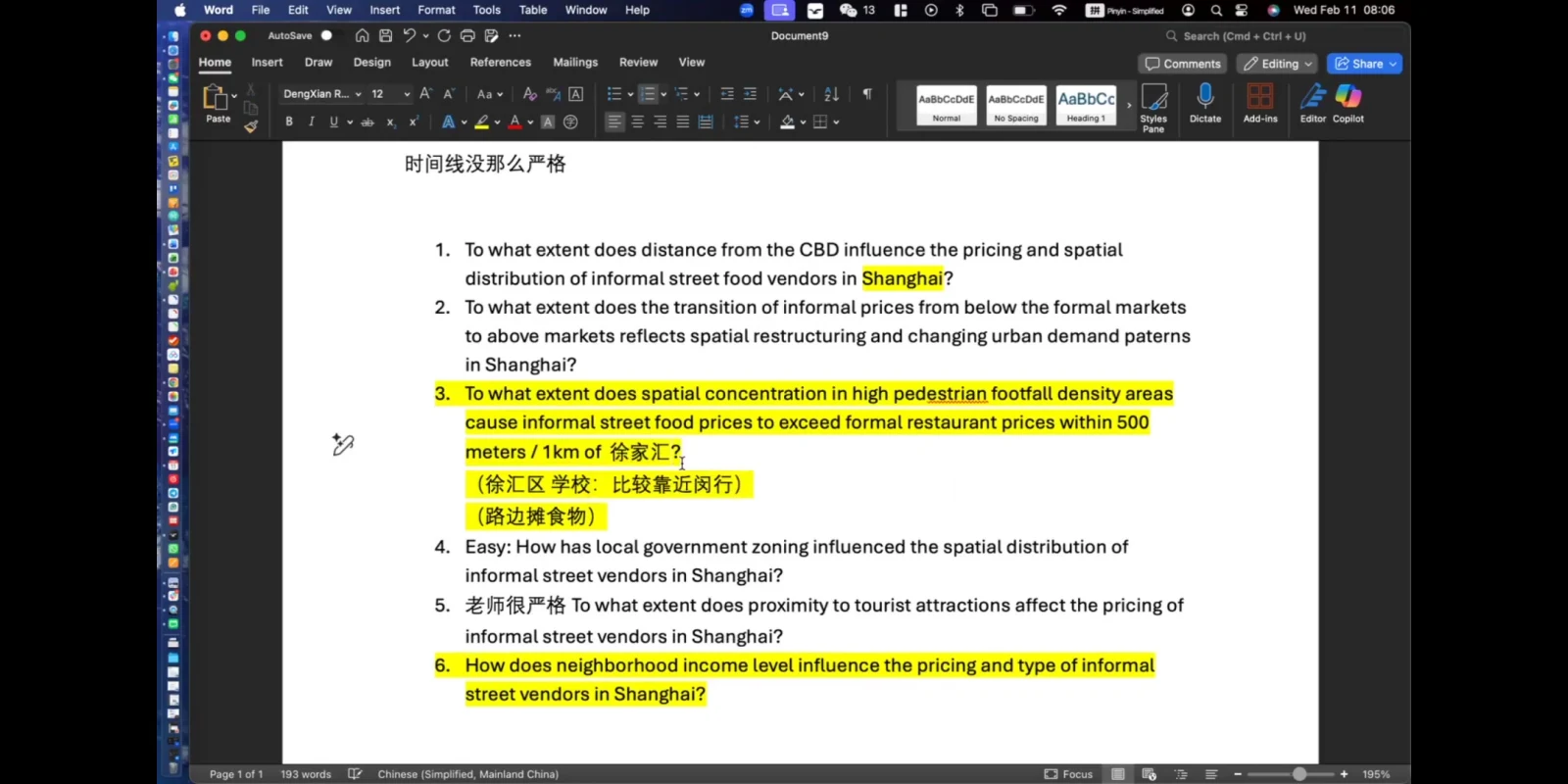
Compare candidate questions and decide which variables and scope make the investigation workable.
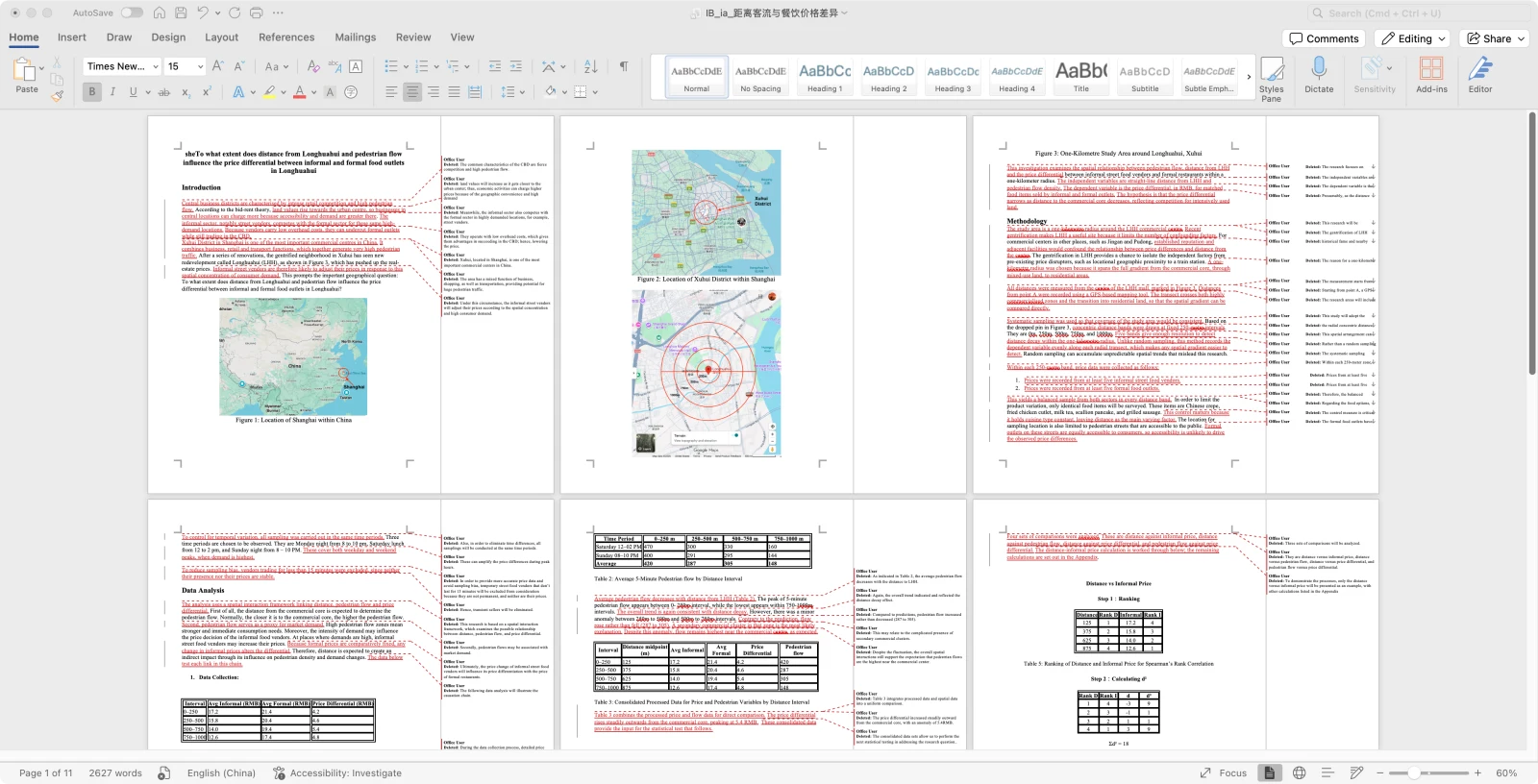
A Geography IA draft examining spatial distance, visitor numbers and differences in restaurant prices.
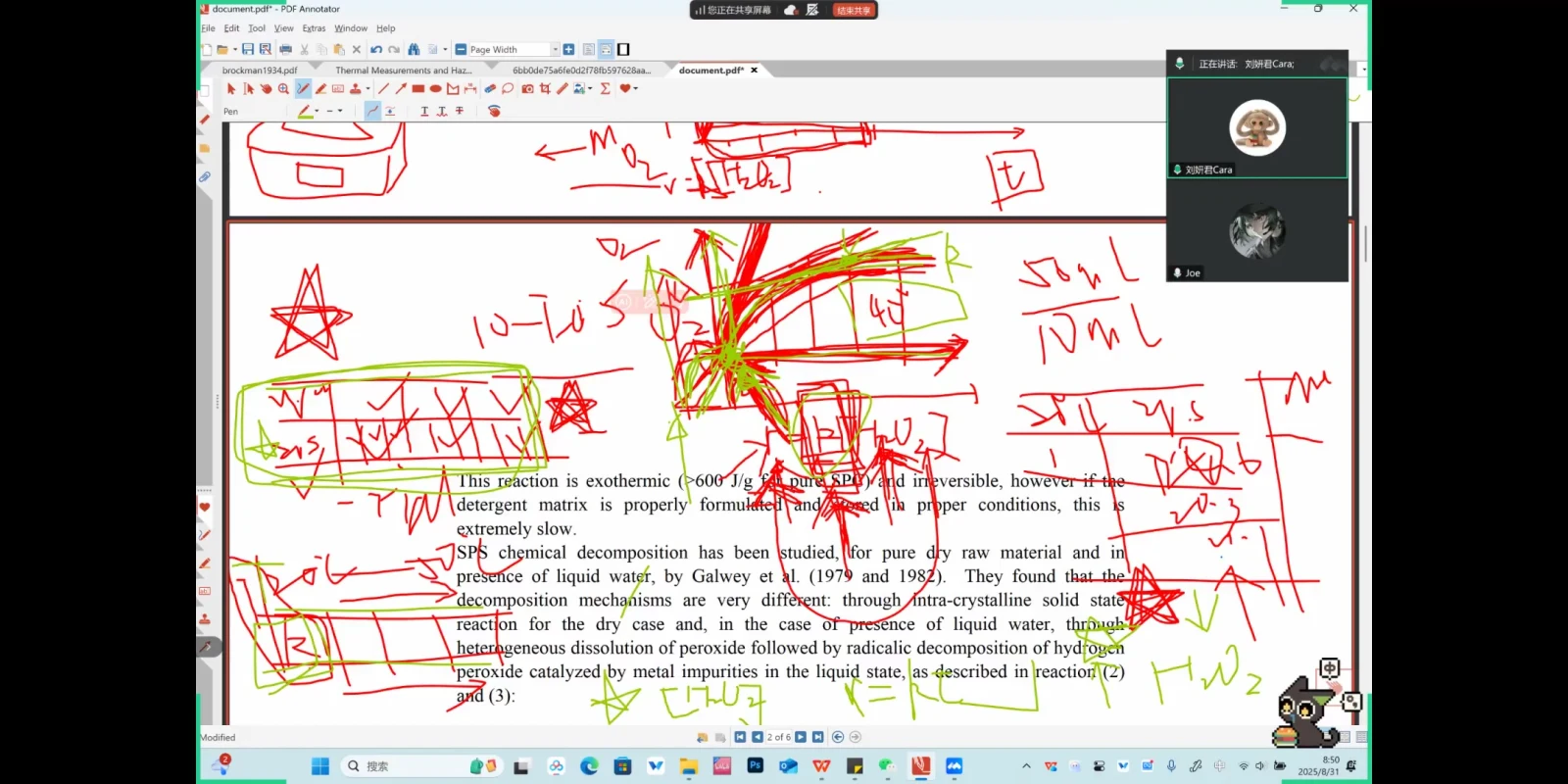
Annotated structures, arrows and equations to clarify reaction steps and conditions.
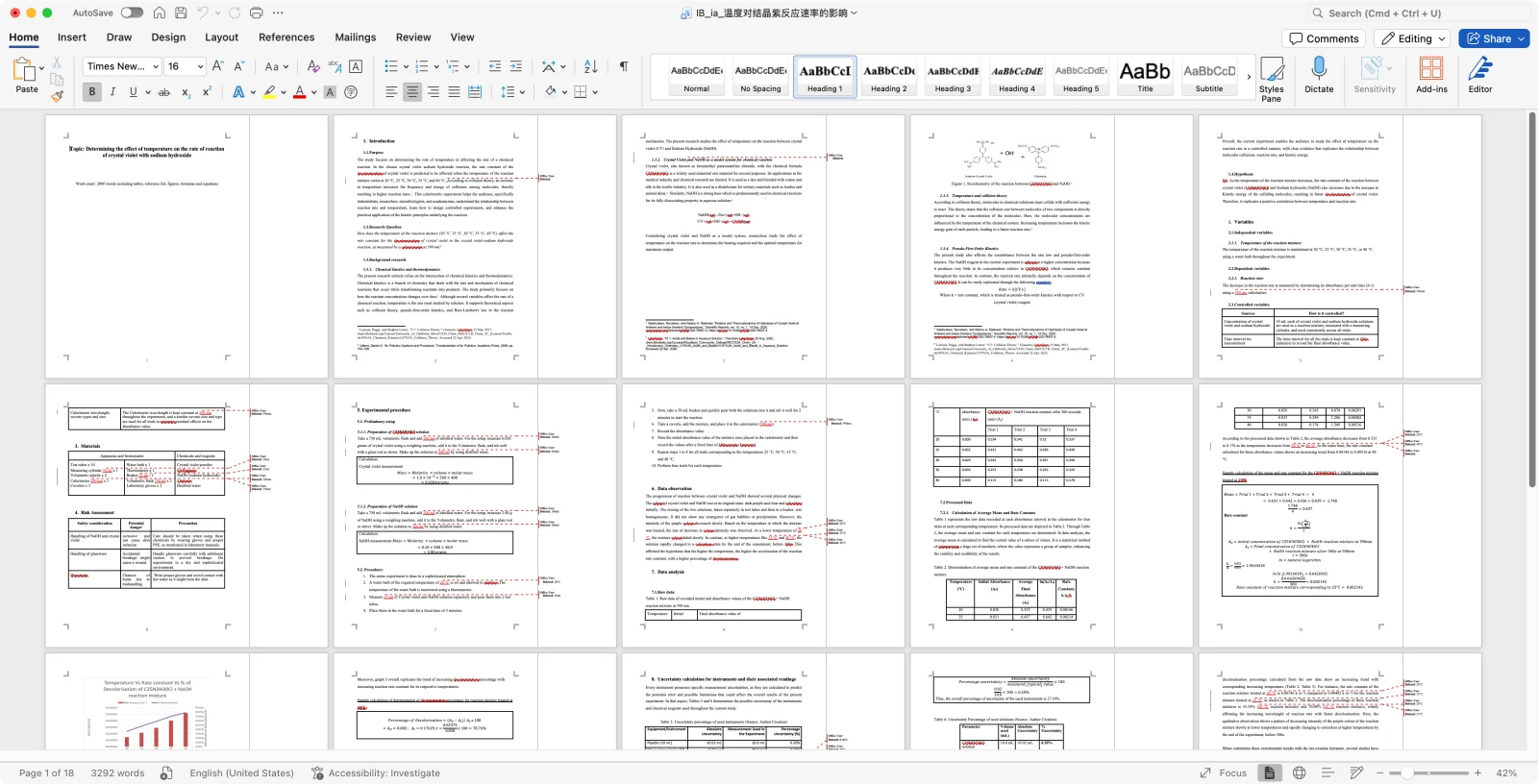
A Chemistry IA investigation of temperature and crystal violet reaction rate, with page-by-page feedback.
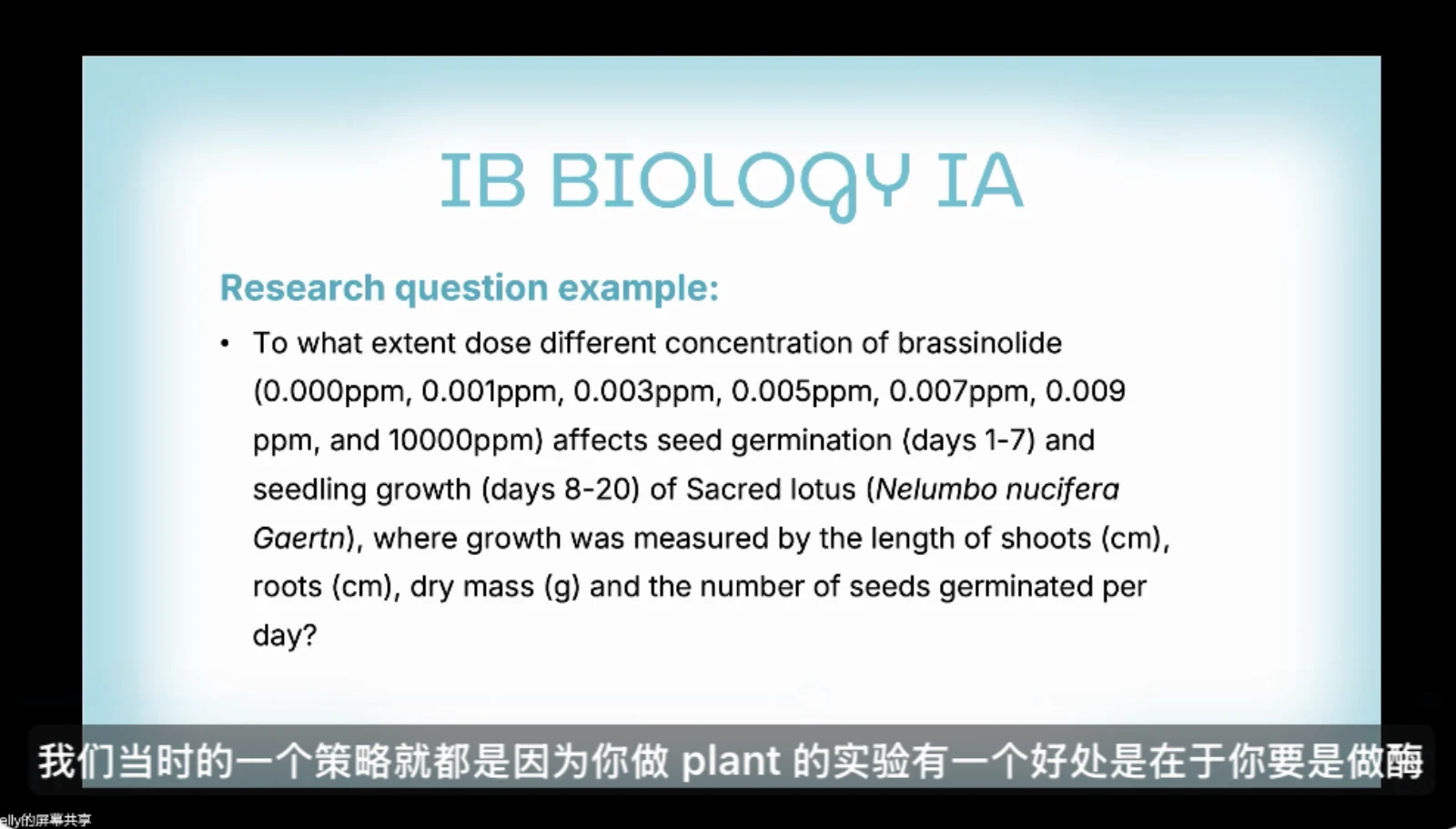
Use a Biology IA example to clarify variables, scope and whether the investigation can be carried out.
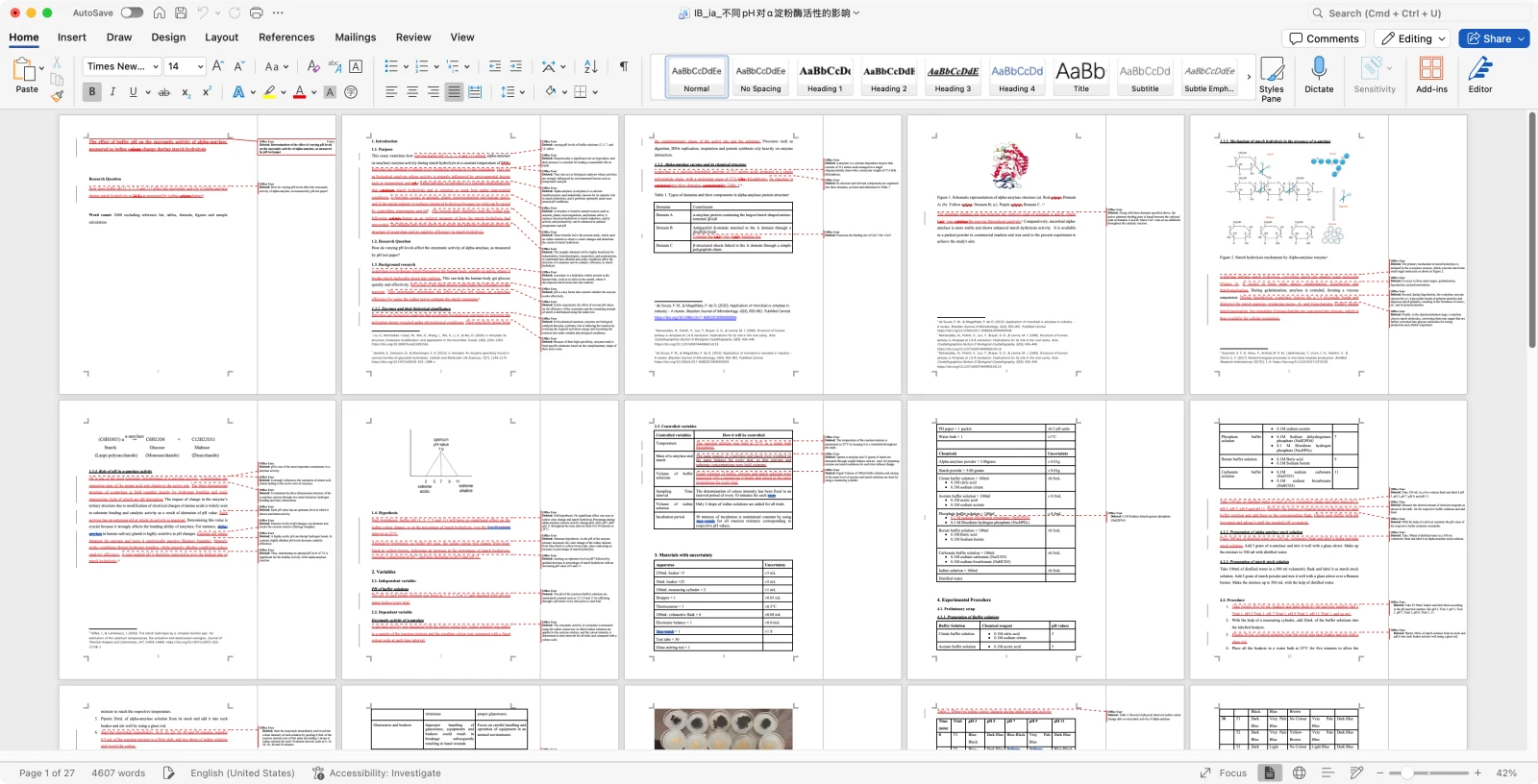
An annotated Biology IA draft investigating the relationship between pH and alpha-amylase activity.
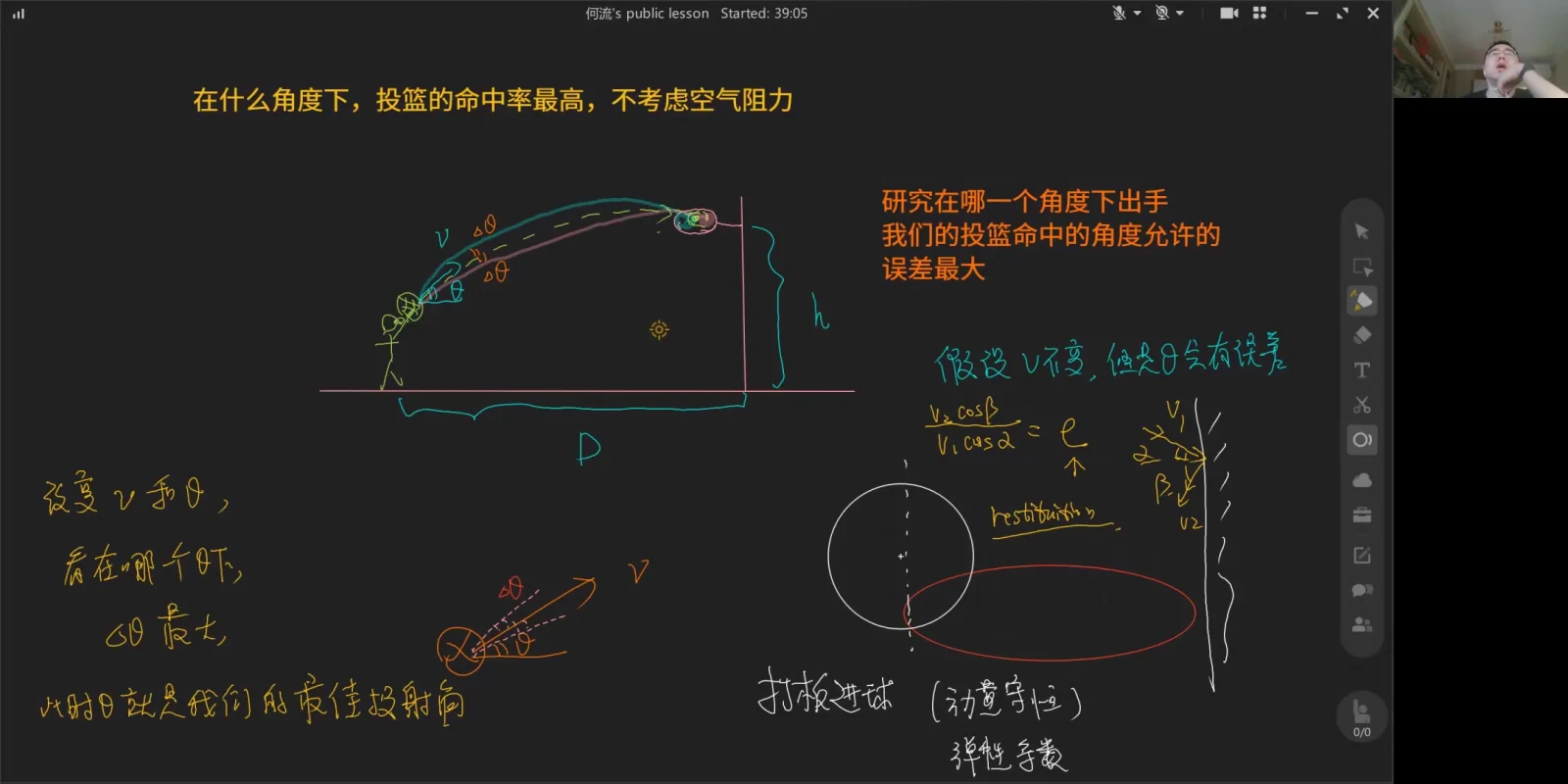
Use board work and a diagram to examine how angle and speed relate to distance and trajectory.
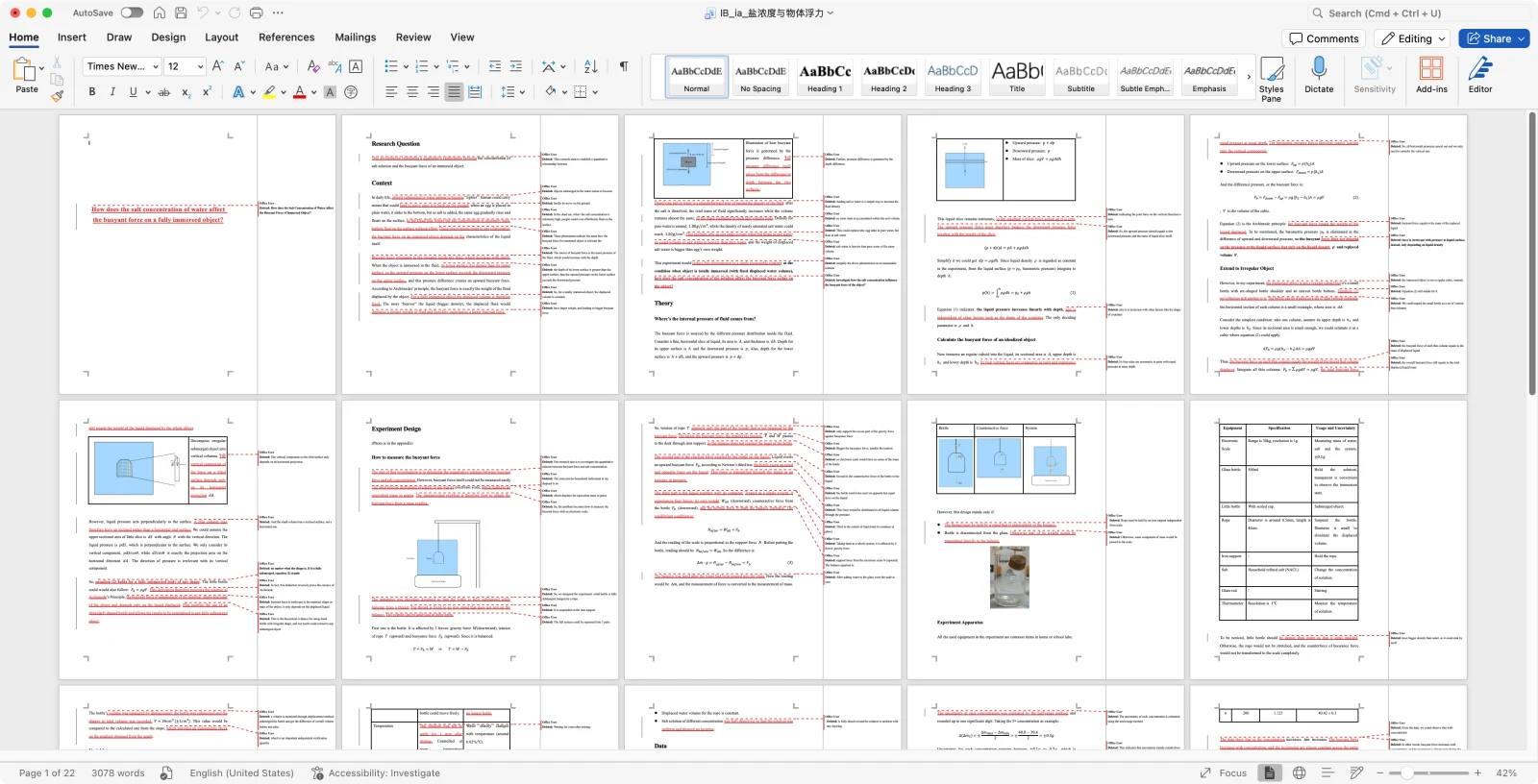
A Physics IA draft on salt concentration and buoyancy, with comments on its structure and content.
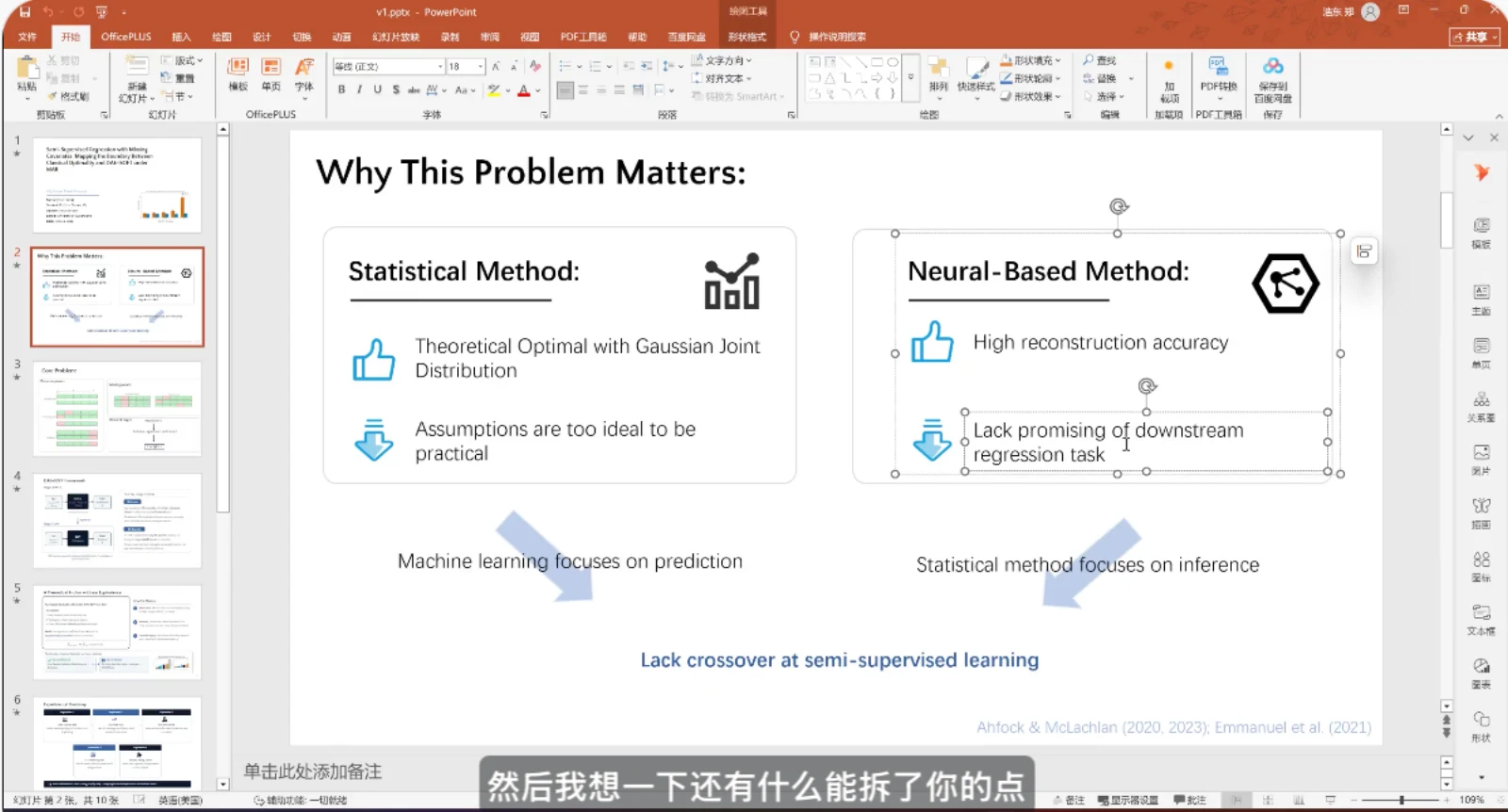
Compare the focus of statistical methods and neural networks to frame a machine-learning research question.
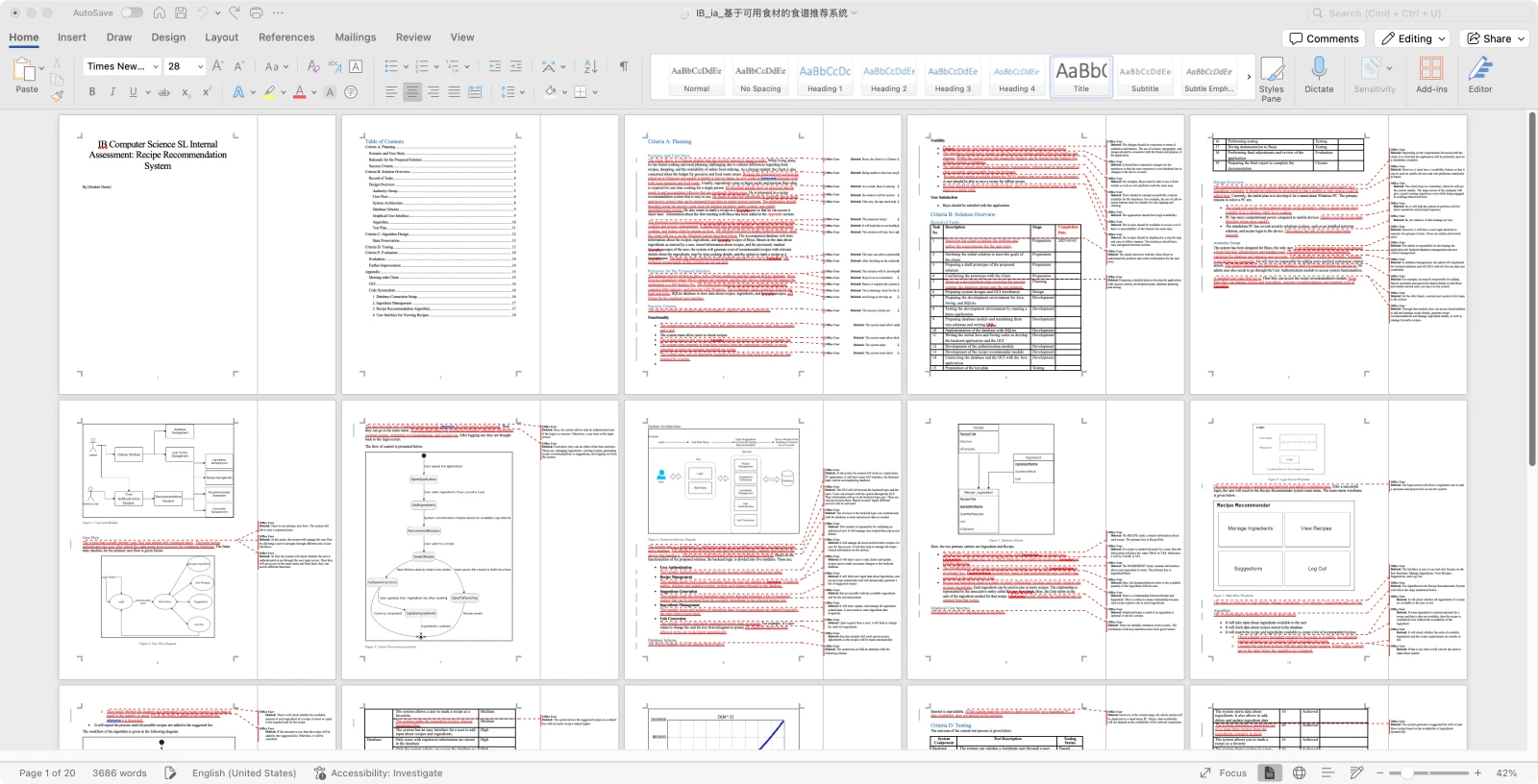
A Computer Science IA proposal and annotated document for a system that matches ingredients with recipes.
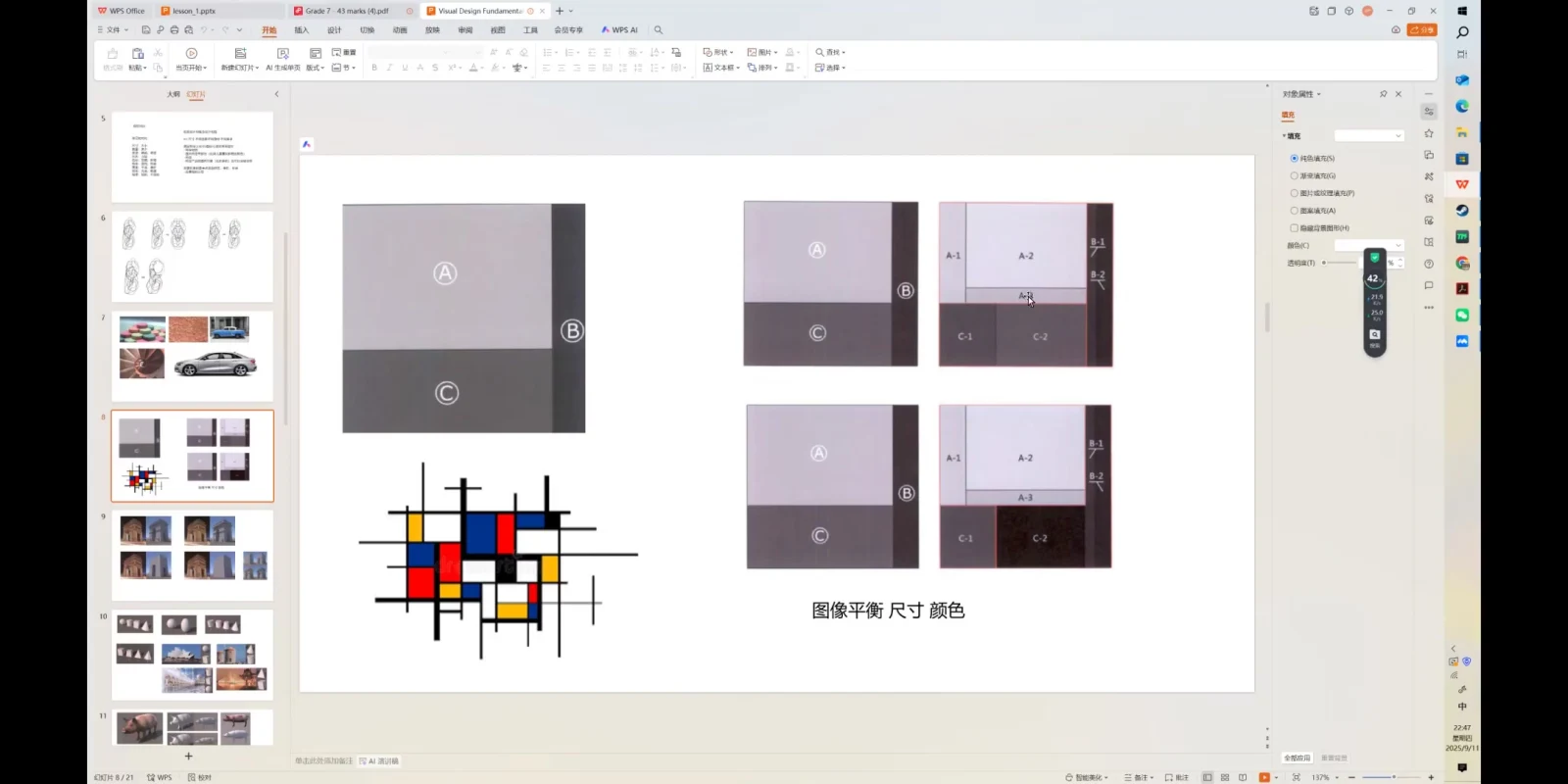
Slides analyse balance, scale and colour relationships in visual design.
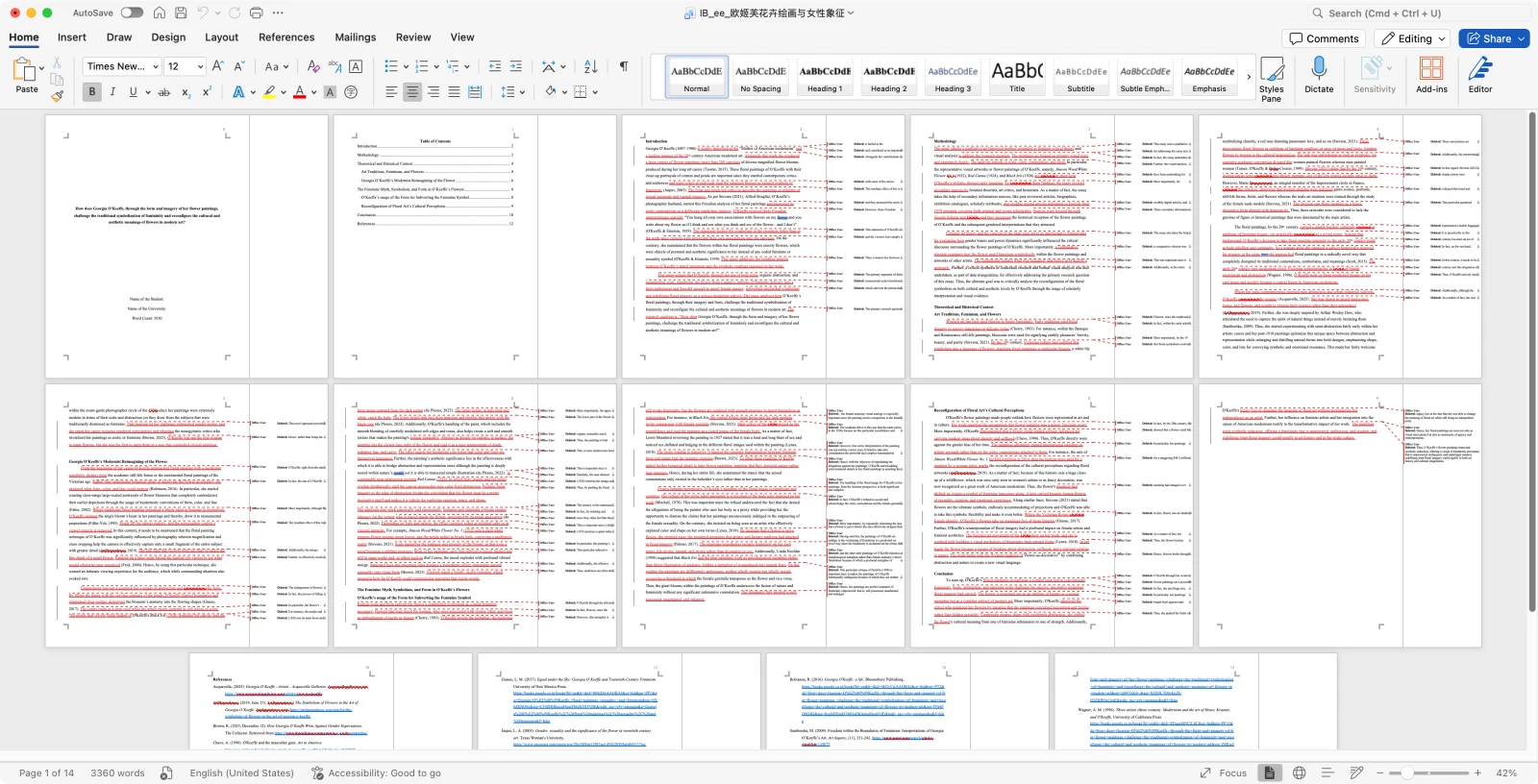
Comments on an art research essay about visual language in O’Keeffe’s flower paintings and symbolism.
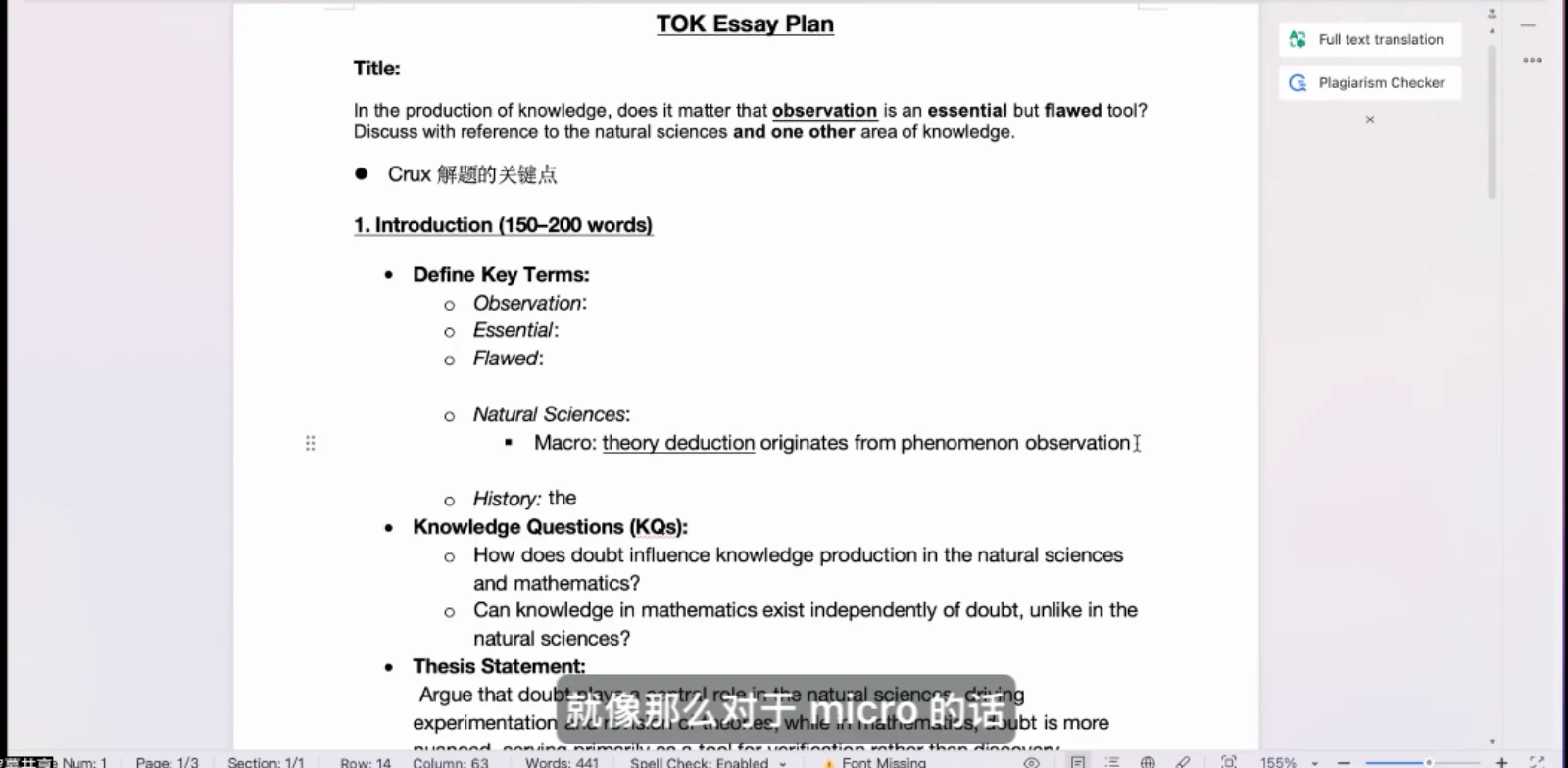
Break down key terms, knowledge questions and argument structure to build a clear TOK essay plan.
The Diploma Programme normally includes six subjects, selected across six subject groups, usually three at HL and three at SL. Students also complete TOK, the Extended Essay and CAS.
IA is Internal Assessment, marked by the teacher and moderated by the IB in most subjects. EE is an independent research essay of up to 4,000 words. TOK includes an exhibition and an essay. Together, EE and TOK can contribute up to three points to the diploma total.
The maximum is 45 points: up to 42 points from six subjects and up to three points from the EE and TOK combination.
Many schools begin EE topic selection and initial IA planning in the first year of DP, with drafts completed in the second year. Starting early leaves more time for research, data and revision. Follow the school's deadlines.
Yes. Support includes subject lessons, homework and the MYP 5 Personal Project. MYP 4–5 students can also plan ahead for DP subject choices and HL/SL combinations.